Here's something many homeowners discover only after the fact: the quality of your paint job has less to do with the paint itself than with what's underneath it. Poor existing wall conditions are the single biggest cause of a bad paint job — and the cost of putting things right after the fact can quickly run into thousands of dollars.
Understanding how your walls affect your paint — and what you can do about it — is one of the most valuable things you can know before embarking on any painting project.
The Hidden Cost of Poor Wall Preparation
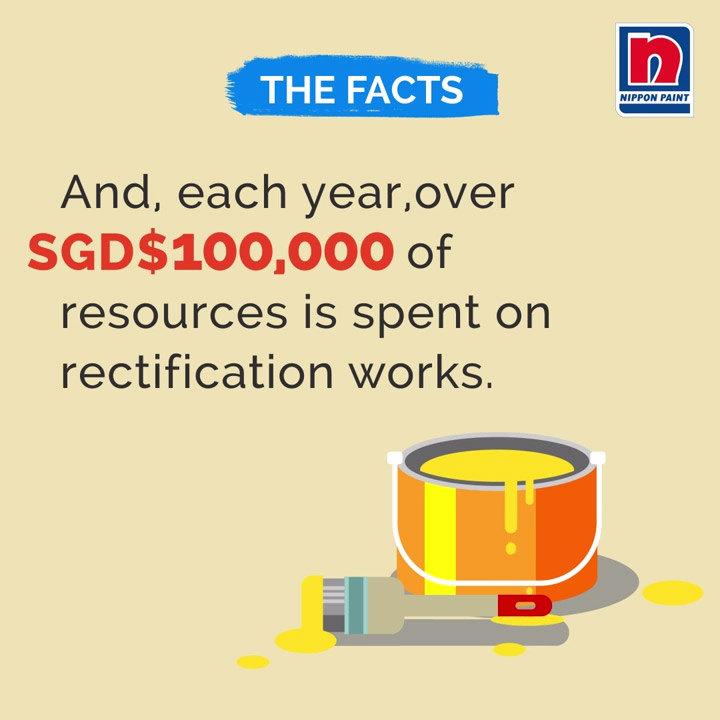
In Singapore, rectification works for paint-related failures typically start from around $2,000 per job for moderate repairs, and can escalate significantly for more extensive wall damage — with full-surface skim coating, crack repair, and mould treatment across a standard 4-room HDB flat potentially adding $3,000 to $5,000 or more to your overall costs.
The frustrating reality is that these costs are almost entirely preventable. In most cases, paint failures trace back directly to inadequate surface preparation — walls that weren't properly cleaned, primed, treated, or assessed before the first coat was applied.
Common Wall Conditions That Affect Paint Quality
Cracking and Flaking
Hairline cracks in walls are common in Singapore, particularly in older HDB flats where building settlement over time creates minor surface fractures. When paint is applied over unsealed cracks, it bridges the gap temporarily — but as the underlying crack shifts with temperature and humidity changes, the paint above it will eventually crack and flake too.
Left unaddressed, cracking paint can spread across large surface areas quickly, making future repaints increasingly costly.
Blistering
Blistering — the formation of bubble-like pockets beneath the paint surface — is typically caused by trapped moisture or applying paint to a surface that wasn't fully dry. In Singapore's humid climate, this is a particularly common problem when painting during or after rainy periods, or in rooms with poor ventilation.
Peeling
Peeling paint is almost always a sign of adhesion failure — the paint isn't bonding properly to the surface beneath it. This can result from moisture infiltration, painting over an incompatible existing paint type, or applying topcoat over a surface that wasn't properly primed.
Chalking (Powdering)
Chalking occurs when the binders in paint break down over time, leaving a white, powdery residue on the wall surface. It's particularly common in older paint jobs or in areas exposed to direct sunlight. Painting over a chalking wall without treatment will result in the new coat failing prematurely, as it cannot adhere to the unstable powdery surface beneath.
Mildew and Mould Growth
Singapore's tropical humidity creates near-ideal conditions for mould and mildew to develop on wall surfaces — particularly in bathrooms, kitchens, and north-facing rooms with limited ventilation. Mould that's painted over without proper treatment will continue to grow beneath the new coat, eventually breaching the surface and creating both aesthetic and health concerns.
Why Surface Preparation Is Everything
A common misconception is that better-quality paint will compensate for poor wall preparation. It won't. Even the finest paint on the market will fail prematurely if applied to a surface that hasn't been properly assessed and prepared.
Proper surface preparation includes:
- Cleaning — removing dust, grease, and surface contaminants that would prevent paint adhesion
- Crack repair — filling and sealing cracks with appropriate filler before any primer or paint is applied
- Mould treatment — chemically treating affected areas to kill mould at the source before repainting
- Priming and sealing — applying the right sealer or primer for the specific wall condition, ensuring the topcoat has a stable, receptive base to bond to
- Moisture assessment — checking wall moisture levels before painting, particularly important for Singapore's humid conditions
Skipping or rushing any of these steps is a false economy. The time and cost invested in proper preparation almost always outweigh the expense of rectification works down the line.
The Case for a Professional Painter
A key advantage of engaging a professional painting service is the site evaluation conducted before a single drop of paint is applied. An experienced painter will assess your wall conditions, identify existing problems, and recommend the appropriate treatments and products for your specific situation — including the right Nippon Paint sealer or primer for your wall type.
Nippon Paint's professional painting service includes a thorough pre-painting site inspection, ensuring that surface preparation is carried out to the right standard before any topcoat is applied. The result is a finish that looks better and lasts significantly longer — protecting your investment and reducing the likelihood of costly rectification works in the future.
Enquire about Nippon Paint's Professional Painting Service at nipponpaint.com.sg/professional-painting-service/ or call 6319 7222 for a no-obligation quotation.