You have spent a long weekend painting, moved all your furniture back into place, and stepped back to admire the result — only to notice a crack running across the wall. Then another. Then a few more.
Before you worry, take a breath. Not all wall cracks are a cause for concern, and most of the cracks homeowners discover are hairline cracks — fine, surface-level imperfections in the paint or plaster layer that are common in Singapore homes and entirely fixable with a DIY approach. The more important question is whether the crack is structural, which requires a different response altogether.

Source: Mike Birdy — Pexels
Structural Cracks vs Hairline Cracks: How to Tell the Difference
Source: A_l.i.s_A — Shutterstock
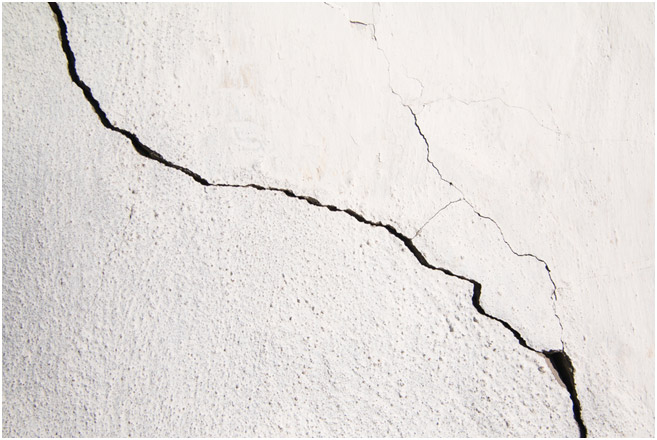
The distinction between a structural crack and a hairline crack comes down to size, pattern and behaviour. Structural cracks are caused by movement or failure in the building's foundations or load-bearing elements — they tend to be wide (generally more than 1.5cm across), diagonal or stair-stepping along masonry joints, and they reappear even after repair attempts. If you also notice doors or windows in the same area becoming difficult to open or close, or see uneven floors or visible bowing in the wall, these are additional warning signs. A structural crack should not be patched over without understanding what is driving it — engage a structural engineer or licensed contractor to assess the situation first.
Hairline cracks, on the other hand, are surface-level and typically appear near windows and door frames where stress is naturally concentrated. They are among the most common issues in Singapore homes and, in the vast majority of cases, are not a sign of anything structurally wrong. Understanding what caused them, however, is worth doing before you reach for the filler — because the same conditions that created the crack will create it again if left unaddressed.
Why Wall Cracks Appear in Your Home
The most common culprit is thermal movement. Wall materials — paint, plaster, filler — expand in heat and contract when cooled, and in Singapore, this cycle can be particularly pronounced in rooms that are regularly air-conditioned. A wall surface that moves between warm ambient conditions and cool air-conditioned temperatures multiple times a day is under constant low-level stress, and hairline cracks are often the result over time. Walls that face the afternoon sun experience the same effect from the outside in.
Paint quality and consistency play a significant role too. Inferior paint adheres poorly to wall surfaces, and using different paint products across coats — a primer from one brand, a top coat from another — can create compatibility issues that compromise adhesion between layers. Using a consistent, high-quality paint system throughout is one of the most effective ways to prevent cracking from recurring after a repair.
Two other common causes are closely related: applying paint over plaster or cement that has not fully cured, and rushing through the painting process itself. Plaster that is still damp when painted over continues to move as it dries, stressing the paint layer above it. Similarly, skipping coats or painting over a layer that has not dried properly weakens the adhesion between layers — and a well-adhered paint system is ultimately what keeps hairline cracks from forming or reappearing.
How to Repair Hairline Cracks: A Step-by-Step Guide
Source: Auhustsinovich — Shutterstock
Once you are confident the crack is hairline rather than structural, the repair itself is straightforward. Set aside a full day — the process is not labour-intensive, but the drying stages should not be rushed.
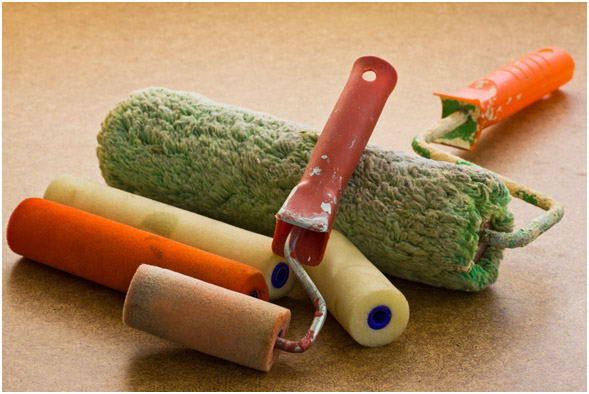
You will need a scraper, screwdriver or utility knife; a dry brush, cloth or vacuum; wall filler or joint compound; medium-grit sandpaper; a primer; and a top coat paint.
Begin, counterintuitively, by making the crack slightly wider and deeper. Using a scraper or utility knife to open the crack ensures the filler makes full contact with the interior surfaces rather than just bridging the gap at the surface — a bridge-only fill will fail quickly. With the crack opened, clean out all loose paint, debris, dust and old filler using a dry brush or vacuum. Any loose material left inside will prevent the filler from bonding and the crack will return.
Apply wall filler or joint compound into the full depth of the crack, smoothing it flush with the surrounding wall using your scraper. Then leave it alone for a full day. Filler that is still damp will shrink as it cures, potentially reopening the crack — this is one of the most common reasons repairs fail. Once fully dried, sand the area smooth with medium-grit sandpaper and wipe away all dust.
Before painting, apply a coat of primer to the repaired area. Filler is more porous than the surrounding wall surface, and without priming first, the top coat will absorb unevenly and the repair will be visible. For the top coat, Nippon Paint 3-in-1 Medifresh is specifically formulated to cover hairline cracks and provides a smooth, uniform finish over repaired surfaces. Apply two coats for the best result, allowing the first to dry fully before applying the second.
Preventing Cracks from Reappearing
Repairing the crack is only half the job. To prevent the same problem from recurring, use quality, compatible paint products throughout — sticking to the same product range for primer, undercoat and top coat ensures proper inter-coat adhesion. Never rush drying times, whether for plaster, filler or paint, and always prime repaired areas before applying the top coat. For rooms that are regularly air-conditioned, a flexible paint formulation is worth considering, as it accommodates the thermal movement that rigid paints resist less effectively.
Frequently Asked Questions
How do I know if a wall crack is serious?
Width and behaviour are the key indicators. A crack wider than approximately 1.5cm, one that keeps reappearing after repairs, or one accompanied by sticking doors and windows or uneven floors may indicate a structural problem. In these cases, have the crack assessed by a qualified professional before attempting any repair.
Are hairline cracks in walls normal in Singapore homes?
Yes. Hairline cracks are common in Singapore due to the climate — the cycle of heat, humidity and air conditioning causes wall materials to expand and contract repeatedly over time. They are not usually a sign of structural damage and can generally be repaired with a straightforward DIY process.
What is the best filler for hairline cracks in walls?
A ready-mixed joint compound or wall filler works well for most hairline cracks. For very fine surface cracks, a flexible crack filler that can accommodate minor movement is a good choice. Always clean the crack out thoroughly before applying any filler.
Can I just paint over a hairline crack?
No — painting directly over an unfilled crack will not resolve it. The crack will show through the paint and will typically reappear within months. The crack must be properly opened, cleaned, filled and dried before any paint is applied.
What paint is best for covering hairline cracks?
Nippon Paint 3-in-1 Medifresh is specifically formulated to cover hairline cracks, providing a smooth finish over repaired surfaces. Always prime the repaired area before applying the top coat for the best result.
Why do cracks keep reappearing after I repair them?
The most common reasons are: the filler was not allowed to dry fully before painting over it; the repaired area was not primed before the top coat was applied; or the underlying cause — such as ongoing thermal movement or incompatible paint products — has not been addressed. If a crack keeps returning despite correct repair technique, it is worth having the wall assessed for structural issues.
When in Doubt, Ask an Expert
Most hairline cracks are a minor cosmetic issue that any homeowner can resolve over a weekend. But if you are unsure whether a crack is structural, or if the same crack keeps returning after repair, do not guess. Structural problems caught early are significantly cheaper and easier to resolve than those left to develop.
For advice on the right paint and primer products for your repair project, visit nipponpaint.com.sg or speak to a consultant at your nearest Nippon Paint Colour Centre.
Related to